A market rally refers to a sustained period in which stock prices rise broadly across the market or within a specific sector. During market rallies, investor sentiment typically improves as buying pressure pushes prices higher.
Rallies can occur within longer bull markets or even during broader downturns. Understanding how rallies form and evolve helps investors interpret momentum and avoid reacting purely to short-term enthusiasm.
Recognizing the dynamics behind a rally allows investors to make more disciplined decisions.
Definitions of a Market Rally
A market rally describes a period when stock prices rise significantly over a relatively short timeframe.
Rallies can occur in several forms:
-
A broad market rally affecting major indices
-
A sector rally driven by industry-specific catalysts
-
A short-term rebound after a market decline
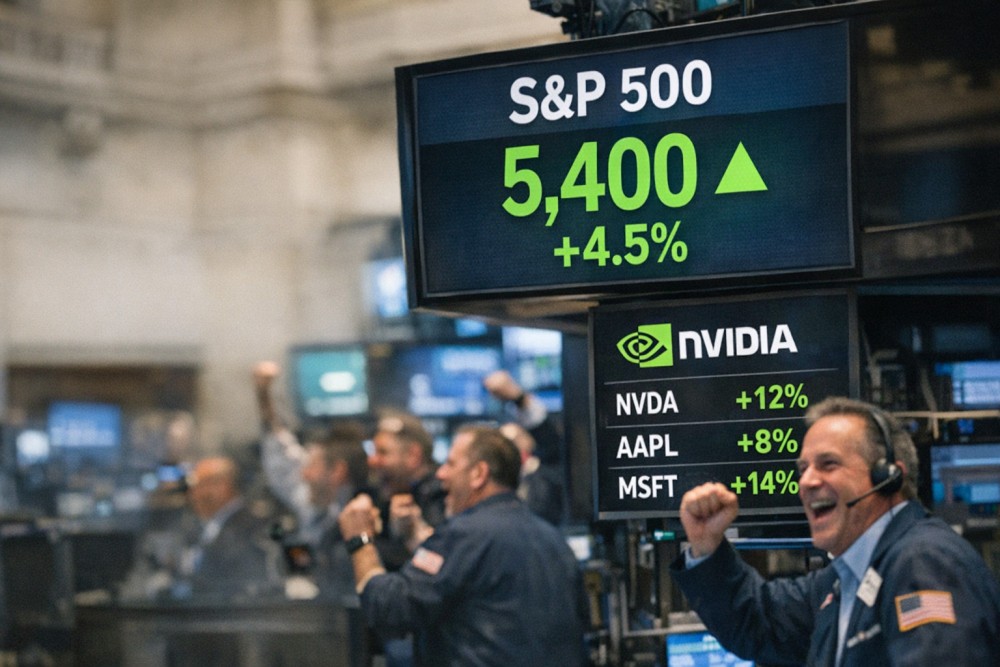
For example, if major stock indices such as the S&P 500 or Nasdaq rise consistently for several weeks, investors often describe this movement as a market rally.
A rally does not necessarily mean the long-term trend has changed. Markets can experience rallies even during longer periods of volatility or correction.
If you want to observe market movements and sector momentum, you can use Gotrade App to track stocks and indices as rallies develop.
Dynamics Behind Market Rallies
Market rallies typically occur when buying demand exceeds selling pressure.
Several dynamics contribute to this process.
Investor sentiment
Positive sentiment often leads to increased demand for stocks. When investors become more optimistic about economic conditions or corporate earnings, buying activity increases.
Momentum trading
Rising prices can attract additional buyers who follow price trends, reinforcing upward momentum.
Institutional participation
Large institutional investors such as mutual funds and pension funds can drive rallies when they allocate significant capital into equities.
Short covering
During rallies, short sellers may close positions to limit losses. Their buying activity can further accelerate price increases. These forces often combine to push markets upward in a self-reinforcing cycle.
Key Factors That Trigger Rallies
Several catalysts frequently trigger market rallies.
Common drivers include:
-
Strong corporate earnings reports
-
Positive economic data
-
Central bank policy changes
-
Declining interest rates
-
Technological breakthroughs or industry growth
For example, strong earnings from large companies can boost confidence across an entire sector.
Similarly, lower interest rates can encourage investors to move capital into equities as borrowing costs decline. Market rallies often reflect shifts in expectations about future growth and profitability.
Navigating the Rally
While rallies can create opportunities, they can also increase risk if investors chase prices without analysis. Important considerations include:
-
Assess whether the rally is broad-based or limited to a few stocks
-
Evaluate valuation levels after price increases
-
Monitor macroeconomic developments that may influence sentiment
Some rallies occur early in economic expansions, while others may represent temporary rebounds within volatile markets.
Investors should focus on underlying fundamentals rather than assuming that rising prices will continue indefinitely.
Investing Strategies During Market Rallies
Investors may approach rallies in different ways depending on their strategy and risk tolerance.
Common approaches include:
Riding momentum
Some traders seek to participate in upward momentum while maintaining clear exit strategies.
Gradual allocation
Long-term investors may add positions gradually rather than investing large amounts at once.
Portfolio rebalancing
Rallies may increase the weight of certain assets within a portfolio, prompting investors to rebalance allocations.
Focus on quality companies
Investors often prioritize companies with strong earnings growth, competitive advantages, and sustainable business models.
Disciplined strategies help investors avoid emotional decisions during periods of strong market enthusiasm.
If you are monitoring opportunities during market rallies, Download Gotrade to track market trends and manage portfolio positions with structured analysis.
Understanding market conditions supports more thoughtful investment decisions.
Conclusion
A market rally represents a period of rising stock prices driven by improving sentiment, strong fundamentals, or shifts in economic conditions. While rallies can create investment opportunities, they also require careful analysis to avoid excessive risk.
By understanding the drivers behind market rallies and maintaining disciplined strategies, investors can better navigate changing market environments.
FAQ
What is a market rally?
A market rally is a period when stock prices rise significantly over a short or medium timeframe.
What causes market rallies?
Common triggers include strong earnings, positive economic data, policy changes, and improved investor sentiment.
Can a rally occur during a bear market?
Yes. Temporary rebounds known as bear market rallies can occur even during broader market downturns.
References
-
Investopedia, Understanding Market Rallies: Definitions, Dynamics, and Key Factors, 2026.
-
IV Capital, The Psychology of Market Cycles, 2026.