

Gotrade News - Indonesia's headline consumer price index rose 2.42% year on year in April 2026, easing from the elevated print posted in the prior month. The softer reading suggests household purchasing power can be defended even as global oil prices stay volatile.
Finance Minister Purbaya Yudhi Sadewa said annual inflation is back under control after the impact of an electricity tariff subsidy adjustment faded. He delivered the comments to reporters at the Ministry of Finance in Jakarta on Monday (4/5).
Key Takeaways
- Annual inflation eased to 2.42% as electricity subsidy effects rolled off the base.
- Transport was the largest monthly contributor at 0.12 percentage points.
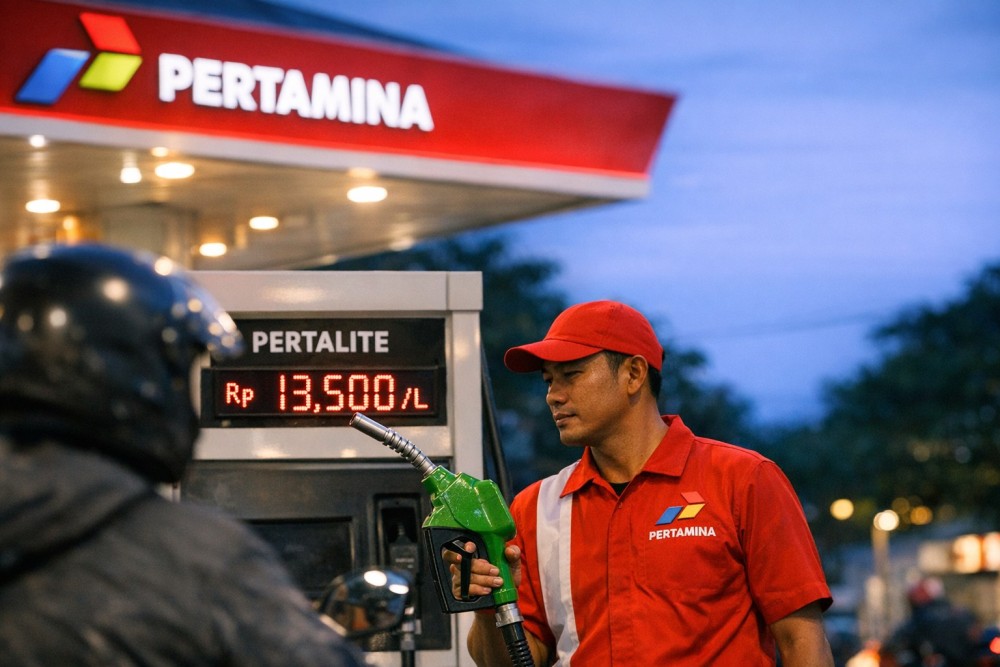
- Jakarta is still absorbing oil price moves to keep retail fuel pricing stable.
Statistics Indonesia (BPS) data show the consumer price index climbed from 108.47 in April 2025 to 111.09 in April 2026. On a monthly basis, prices rose only 0.13%, with the index nudging up from 110.95 in March.
Food, beverages, and tobacco remained the dominant annual driver, with inflation of 3.06% and a 0.90 percentage point contribution. Fresh fish, broiler chicken, rice, cooking oil, and chicken eggs were called out as the most influential commodities.
BPS Deputy for Distribution and Services Statistics Ateng Hartono identified transport as the largest monthly contributor. The category posted 0.99% inflation and added 0.12 percentage points to April's monthly figure.
Airfare costs were one of the main drivers behind the rise in transport prices. Personal care and other services also posted high annual inflation of 11.43%, contributing 0.77 percentage points to the headline figure.
Purbaya explained that earlier price pressure has eased as the subsidy framework normalised after the electricity tariff adjustment. He noted that the government continues to absorb part of the rise in global oil prices rather than passing it directly to consumers.
The minister added that managed transport pricing has helped contain retail price pressure. Without that intervention, he warned, headline inflation could spike if domestic fuel pricing were left to track global oil markets.
Bloomberg Technoz noted that consumption momentum in several regions remains sluggish even as inflation softens. Uneven access to education across provinces is also flagged as a structural factor capping price gains in certain service segments.
For investors tracking Southeast Asia's largest economy, the 2.42% print gives Bank Indonesia more flexibility on its policy rate path. Stable inflation typically buys monetary authorities time to calibrate without rushing decisions.
Contained inflation also supports the local equity market and government bond pipeline. Investors generally read this kind of data as an early gauge of household demand resilience heading into the second quarter.
The next factor to watch is the trajectory of global oil prices and the consistency of Jakarta's subsidy stance. If retail fuel pricing stays managed, energy-driven inflation pressure can stay contained through the second quarter.
Food price pressure remains the other variable as harvest cycles and distribution patterns shift. Rice and cooking oil will keep shaping the inflation path in the months ahead.
For retail investors, the data clarifies the consumption backdrop that anchors Indonesia's domestic-facing sectors. May's reading will determine whether the easing trend holds or proves to be a one-month move.