
Gotrade News - Indonesia's Energy Minister Bahlil Lahadalia confirmed that subsidized gasoline and LPG prices will not rise through end of 2026. The pledge comes as the Indonesian Crude Price benchmark crossed US$100 per barrel.
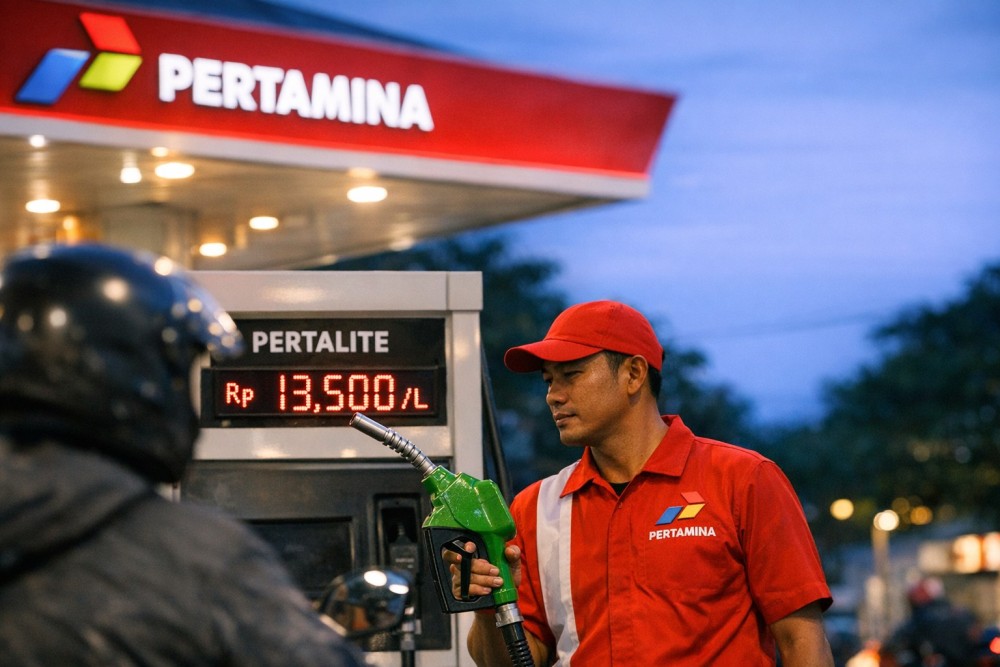
The freeze is a direct order from President Prabowo Subianto to protect consumer purchasing power. Economists estimate the true unsubsidized cost of Pertalite, Indonesia's most-used RON 90 gasoline grade, has already climbed to Rp13,500 per liter.
Key Takeaways
- Indonesia locks subsidized fuel and LPG prices through 2026 despite crude oil topping US$100 per barrel.
- Pertalite's economic cost is pegged at Rp13,500 per liter, around US$0.81 versus the Rp10,000 government-controlled retail price.
- Energy-security plan reactivates aging wells and targets ending diesel imports to ease external pressure.
Bahlil clarified that non-subsidized fuel prices will continue to track global market mechanisms. The split policy aims to shield lower-income consumers while letting commercial users absorb global price moves.
Researcher Badiul Hadi from Indonesia's budget transparency forum FITRA estimates Pertalite's economic price now sits between Rp12,500 and Rp13,500 per liter. His calculation uses a rupiah at Rp16,800 per US dollar and crude above US$100 per barrel.
That leaves a Rp3,500 gap per liter between the controlled retail price of Rp10,000 and the true cost. Indonesia's state budget covers that gap through a compensation scheme that grows as oil prices rise.
Bahlil also outlined a broader national energy-security strategy now underway. Core moves include reactivating aging oil wells and accelerating long-stalled upstream projects.
Indonesia ranks second among 52 countries on JP Morgan's energy security index despite producing only around 605,000 barrels of oil per day. The country has shifted from being a net oil exporter and OPEC member to a net energy importer.
The minister cited 2025 as a turning point because domestic crude output beat the state budget target for the first time in a decade. That milestone, he argued, gives fiscal room to keep the subsidy commitment.
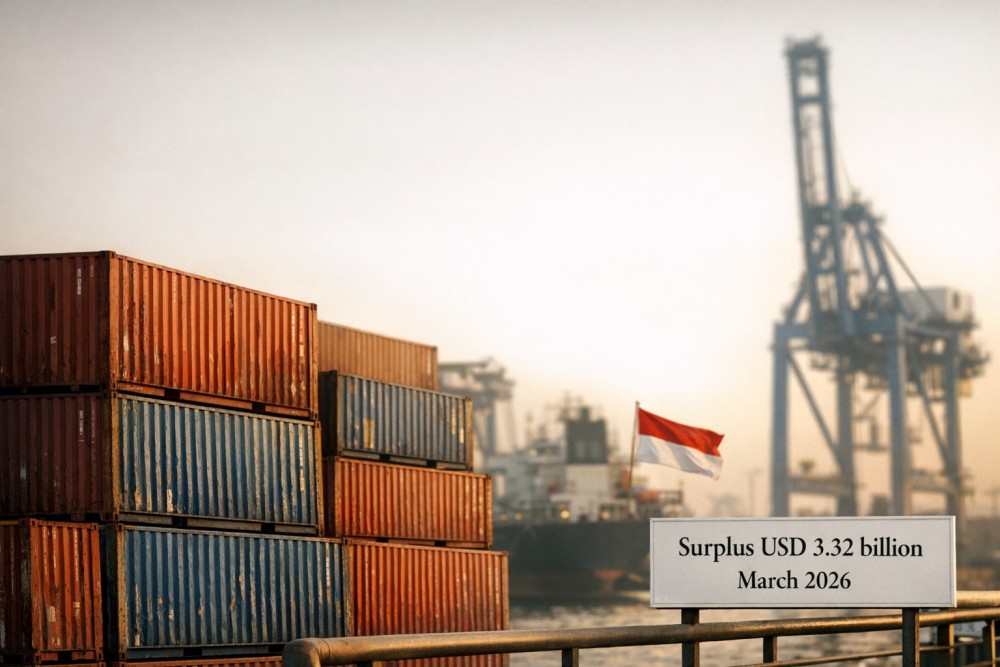
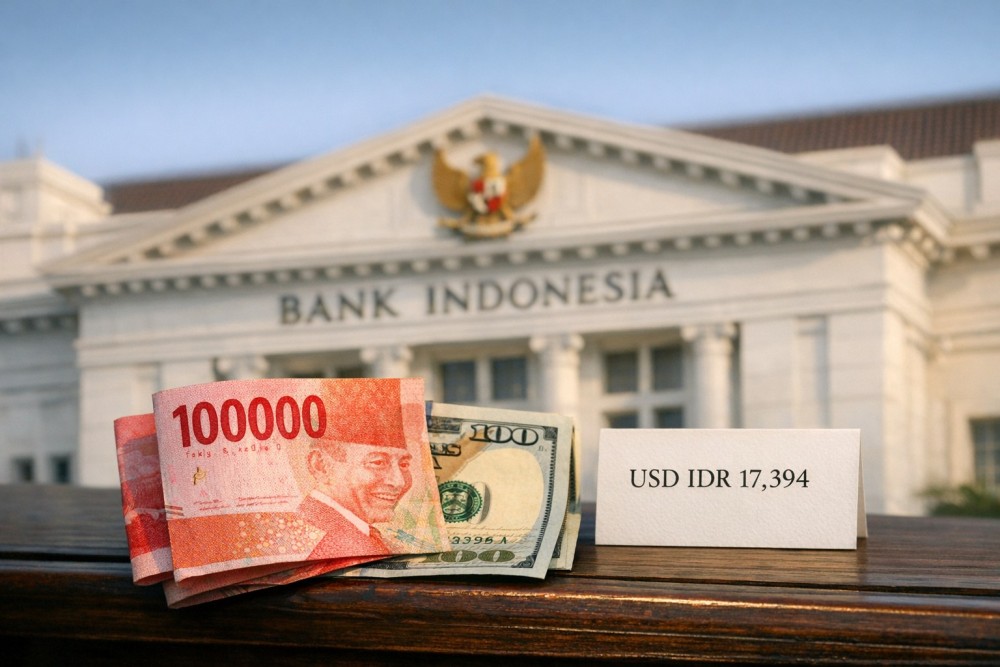
The government is also targeting an end to diesel imports as part of cutting external dependence. The shift would ease pressure on the trade balance and the rupiah, currently around Rp17,000 per US dollar.
Subsidized diesel's economic cost has reportedly climbed to Rp9,500 to Rp10,500 per liter. That figure is well above the controlled retail price of Rp6,800 that the government continues to hold.
For investors tracking emerging-market energy policy, Indonesia's price freeze removes a near-term inflation shock but enlarges the fiscal cushion required if Brent stays elevated. The trade-off lands on the budget rather than household budgets.
State-owned Pertamina raised several non-subsidized fuel prices effective 4 May 2026, including Pertamax Turbo at Rp19,900 per liter. The move signals that global crude pressure is reaching Indonesia's commercial fuel segment even as subsidies hold.
Foreign retailers Vivo and BP also operate alongside Pertamina in select Indonesian markets, with their pricing tracking global benchmarks more closely. The contrast highlights how subsidy policy creates a pricing wedge between state and private fuel operators.
The next signal to watch is execution on the upstream reactivation plan and the diesel-import phase-out over coming quarters. Delivery on those targets will determine whether Indonesia can hold the subsidy line if global oil stays above US$100 per barrel.