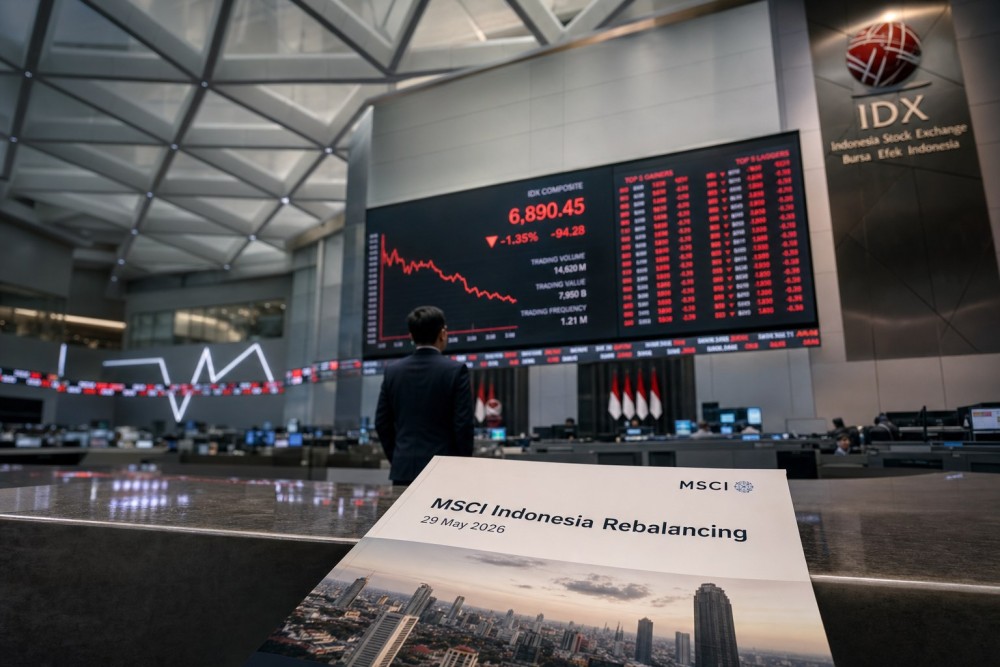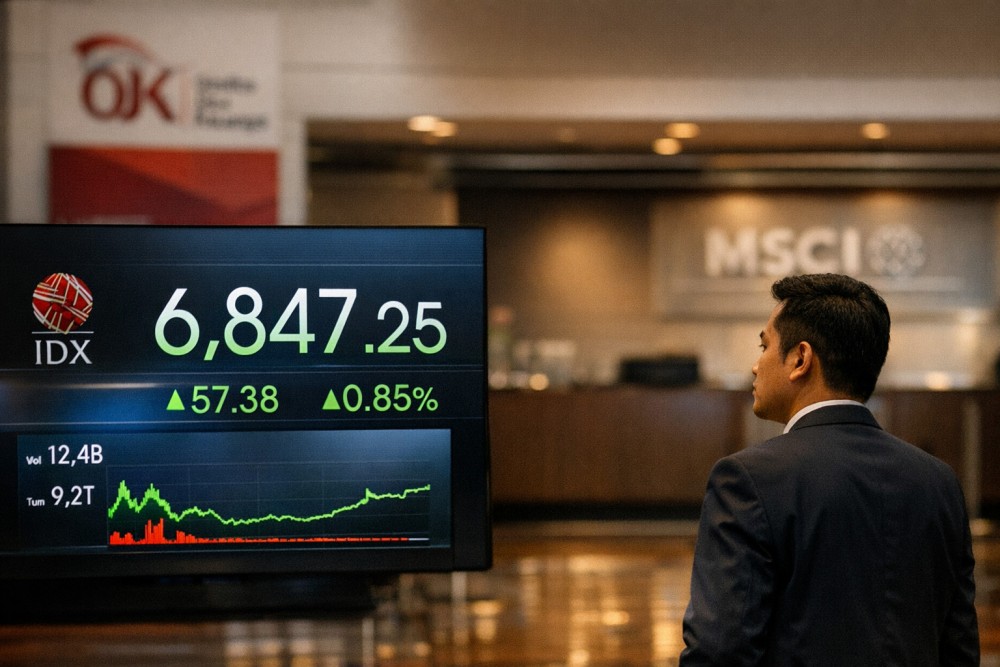

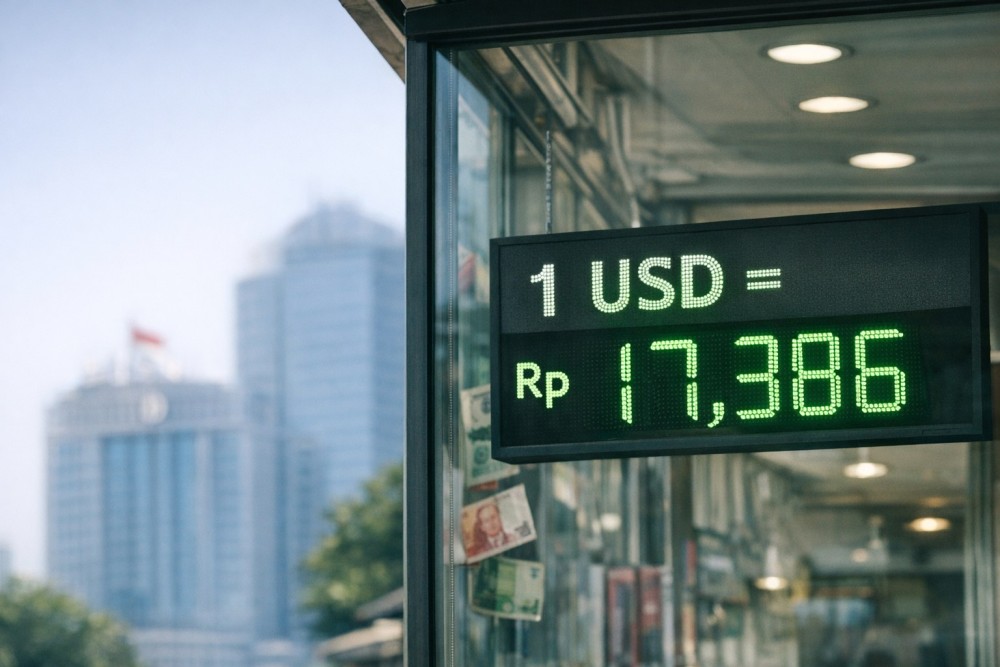
Gotrade News - The Indonesian rupiah opened weaker against the US dollar on Monday after stalled US-Iran nuclear talks fueled safe-haven demand. The currency slipped to 17,386 per dollar from a prior close of 17,382, while the Jakarta Composite Index dropped 0.14% to 6,959.94.
The move reflects a broader risk-off shift across emerging markets as oil prices climb and the dollar firms. Higher crude costs raise import bills for energy-dependent economies, intensifying pressure on currencies like the rupiah.
Key Takeaways:
- Rupiah opened at 17,386 per dollar as stalled US-Iran talks lifted the greenback.
- Jakarta Composite Index fell 0.14% to 6,959.94 amid mixed Asian trading.
- Indonesia plans Panda Bond issuance in June 2026 to ease US dollar dependence.
Dollar Bid Pressures Emerging Markets
According to Liputan6, analyst Lukman Leong expects the rupiah to weaken further as the dollar strengthens. Crude oil prices are climbing on signs that US-Iran diplomatic talks have stalled, adding fresh pressure.
Leong projects a daily trading range of 17,300 to 17,400 per dollar through the session. The combination of firmer crude and a stronger greenback creates a difficult backdrop for energy-importing economies across Asia.
The Invesco DB US Dollar Index Bullish Fund (UUP) often reflects this dynamic during risk-off episodes. When geopolitical tension rises, capital tends to rotate into dollar-linked assets and out of higher-beta emerging-market exposures.
As reported by Kumparan, Asian markets traded mixed alongside the Indonesian session. Japan's Nikkei rose 0.78%, while Hong Kong's Hang Seng slipped 0.31% as regional sentiment turned cautious.
The Jakarta Composite Index opened at 6,959.94, down from Friday's close of 6,969.40. Equity weakness mirrored currency softness as investors trimmed exposure to risk-sensitive assets amid the diplomatic impasse.
Broad emerging-market exposure through the iShares MSCI Emerging Markets ETF (EEM) typically tracks these flows. Persistent dollar strength historically weighs on EM equities, especially in markets with elevated external financing needs.
Oil Bid and Indonesia's Policy Response
Stalled US-Iran negotiations have reignited supply-risk premiums in the crude market. The United States Oil Fund (USO) often moves in tandem with these geopolitical flashpoints affecting Middle East output.
For Indonesia, higher oil prices translate directly into a larger import bill and current-account strain. The rupiah becomes more vulnerable when crude rallies coincide with a firm dollar and weaker risk appetite.
Per Liputan6, Indonesian authorities are preparing a Panda Bond issuance in June 2026 to diversify financing. The yuan-denominated instrument aims to reduce reliance on US dollar funding during periods of greenback strength.
Finance Minister Purbaya Yudhi Sadewa is also coordinating with Bank Indonesia on a Bond Stabilization Fund. The mechanism would allow buybacks of government securities during panic selling to steady the bond market.
These tools signal a multi-layered defense strategy beyond direct currency intervention. Diversified funding and bond-market support give policymakers more flexibility when external pressures intensify.
Global investors will watch crude trajectory and dollar positioning for further signals. A sustained oil rally or fresh escalation in US-Iran rhetoric could extend EM currency weakness through the week.
Sources: